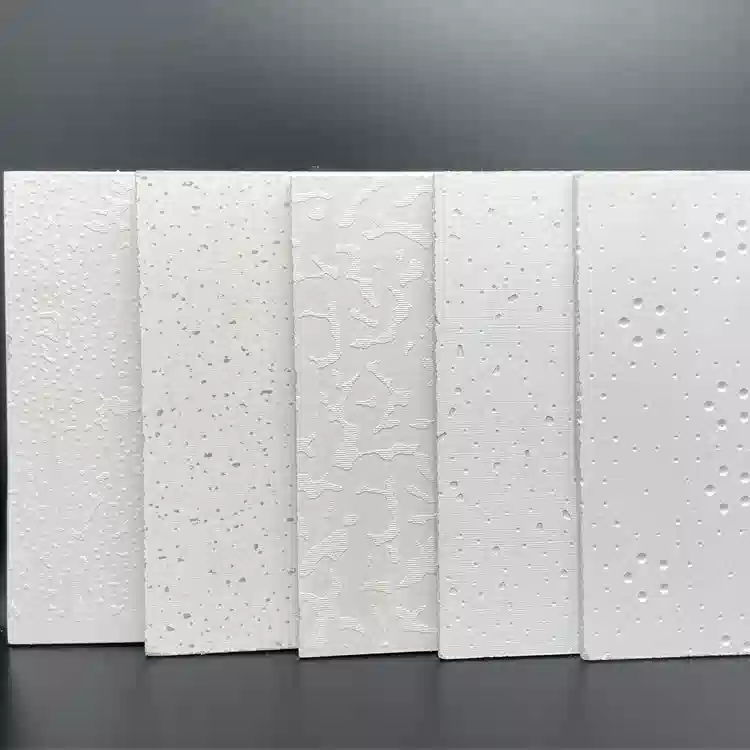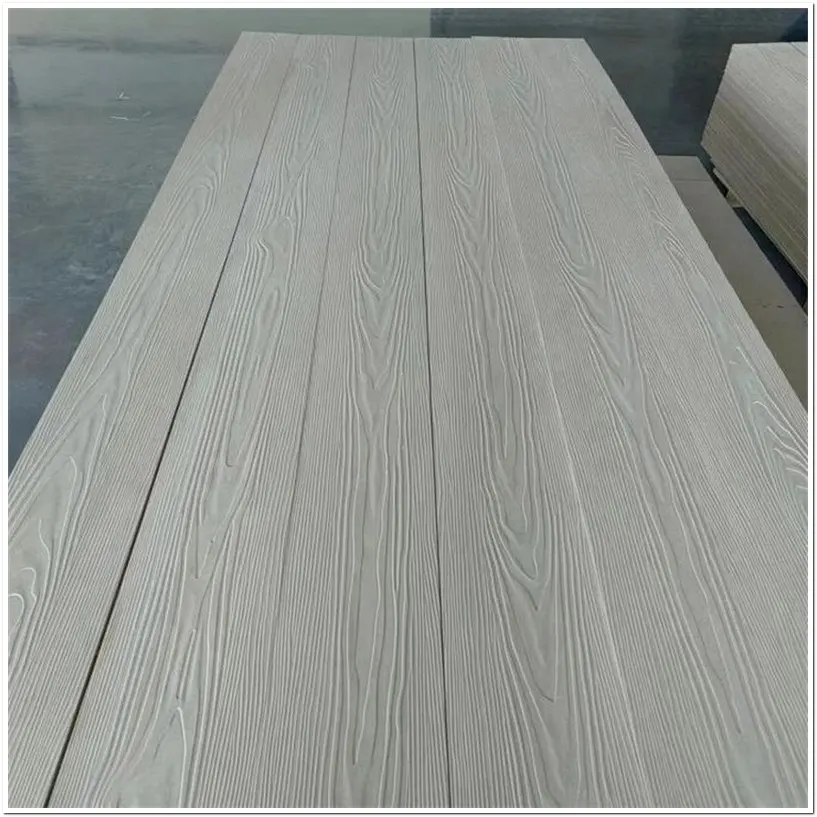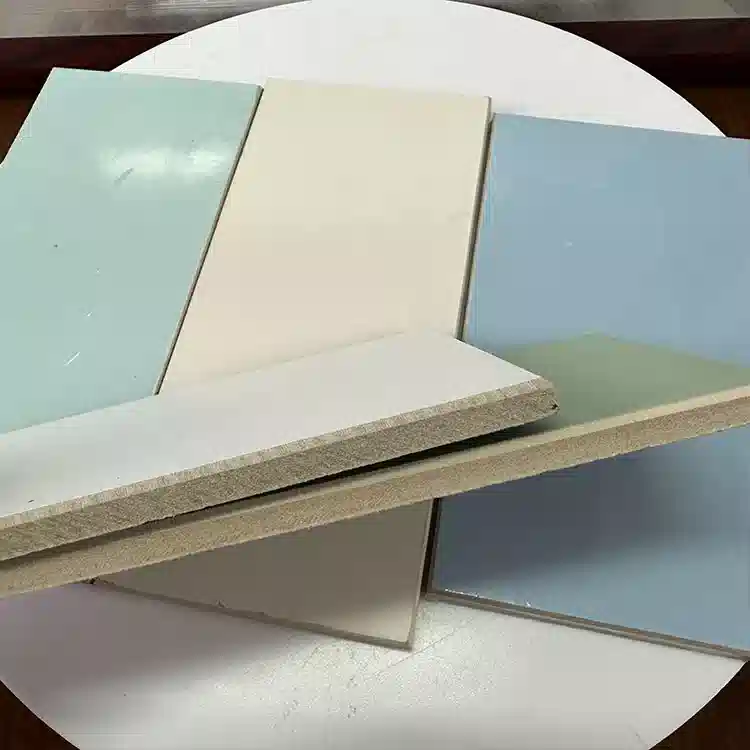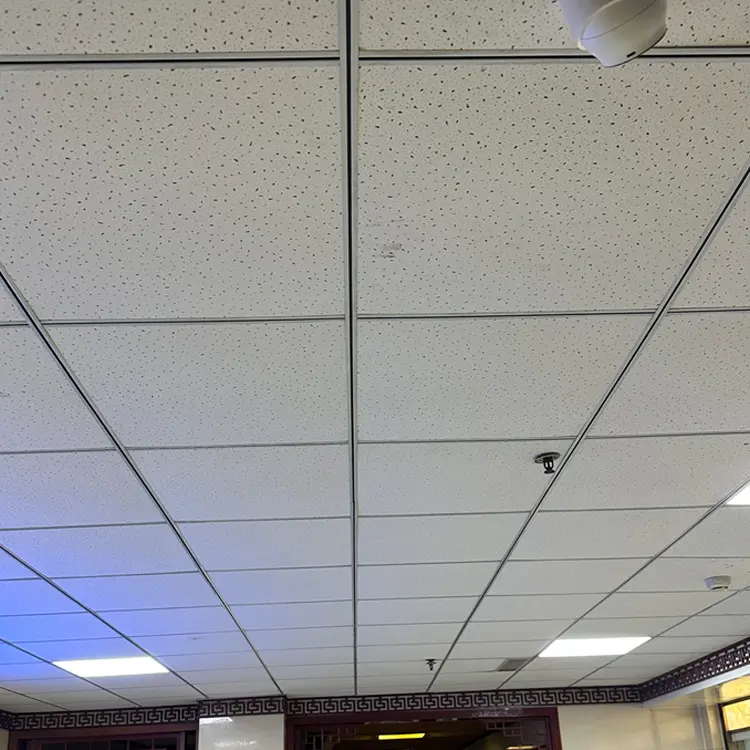

Fiber cement pressure board is a high-performance new building material. It is made from silica-calcium materials and plant fibers through pulping and high-pressure curing. This board is robust, durable, and has extremely wide applications.
Whether for interior ceilings, partition walls, exterior wall insulation, or floor decking, fiber cement pressure board is up to the task. For builders and renovation professionals, mastering its correct installation method is crucial.
Below, we will detail the installation process and core considerations.

Before starting, prepare the following tools: hand saw, electric circular saw, nail gun, self-tapping screws, metal studs, sealant, etc. Depending on the application, there are three main methods.
1. Dry Construction Method (For Interior Walls, Ceilings)
2. Hybrid Construction Method (Often for Walls, with Grouting)
3. Exterior Wall Construction Method

Correct installation ensures the board’s performance is maximized. Keep the following points in mind:
1. The Stud Framework Must Be Secure
The light gauge steel studs used to fix the boards must be installed level and solid. This is the foundation for ensuring overall wall flatness and screw-holding power.
2. Fastening Sequence Matters
When installing boards, start fastening screws from the center of the board outward. This helps release stress effectively and prevents board warping or unevenness.
3. Screw Fastening Has Standards
4. Rust Prevention is Essential
After fixing each screw, immediately apply a rust-preventive primer to the screw head. This prevents future rust stains that can affect appearance.
5. Special Treatment for Damp Areas
When used in bathrooms, wet areas, and tiling is required, ensure the board moisture content is below 10%. Then apply a sealing agent and use tile adhesive for installation. Direct use of cement mortar is strictly prohibited to prevent detachment.
6. Be Careful with Cutting and Drilling
When cutting openings in the board, mark the lines first. For square holes, first drill 10mm pilot holes at the four corners, then cut with a stone saw. For round holes, drill holes along the circumference before cutting with a jigsaw. Remember to clean up rough edges afterward.
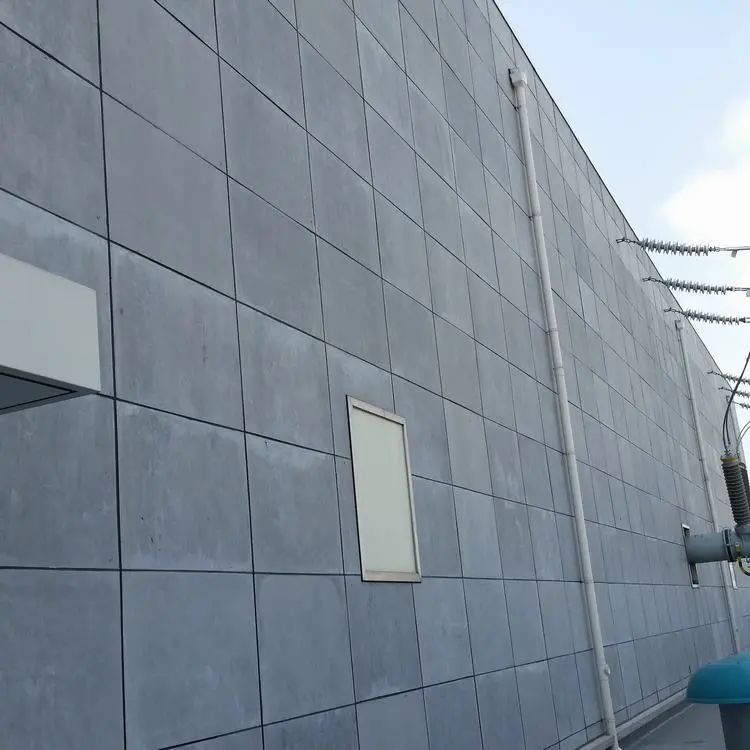
As a professional manufacturer of fiber cement pressure board, we understand that high-quality products paired with standardized installation are key to creating safe and durable projects. Following the above processes and considerations will help you better utilize this versatile building material, improving installation efficiency and quality.
Our technical staff is available 24/7 for support and fast response, giving full advice on your products and sharing engineering knowledge. Whether you order or not, we’re always here to support your business.