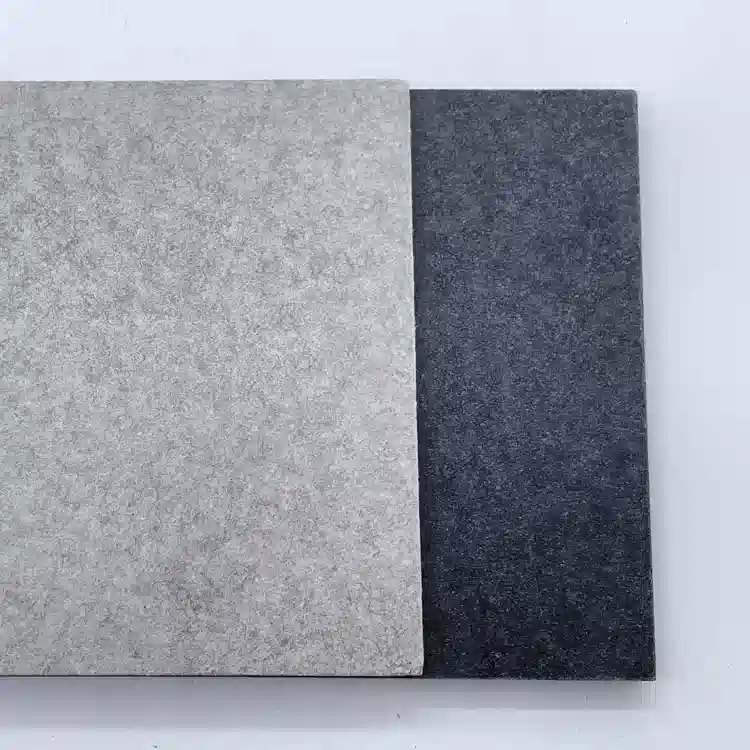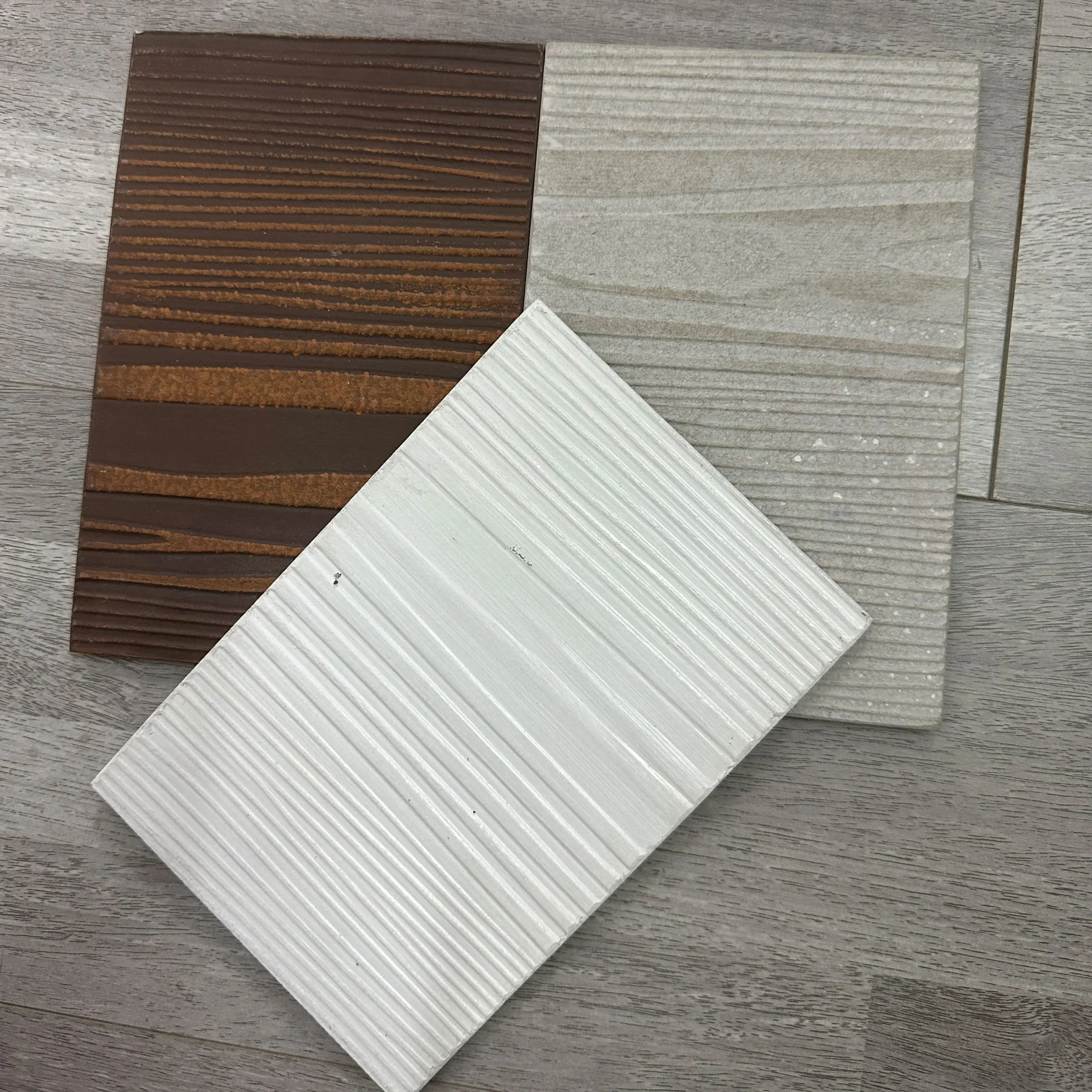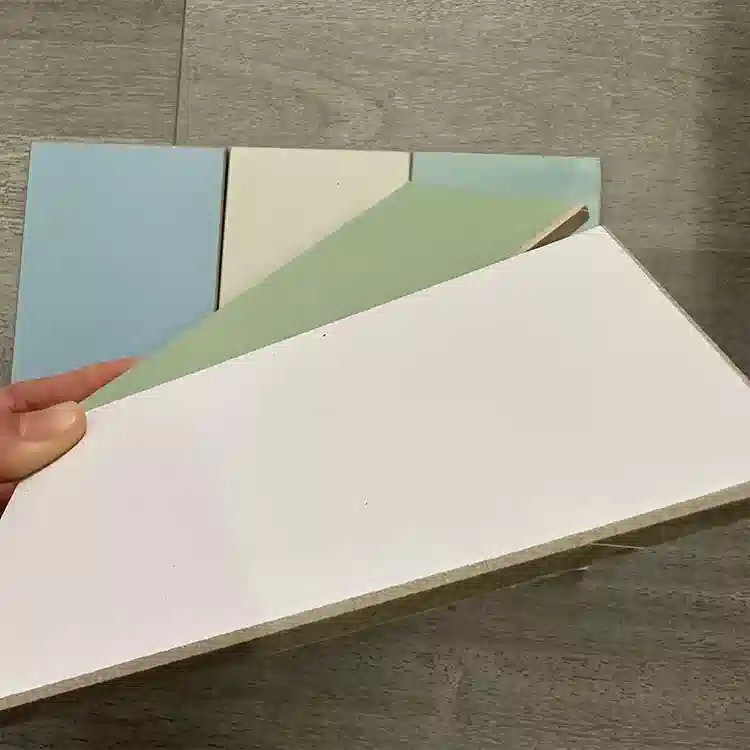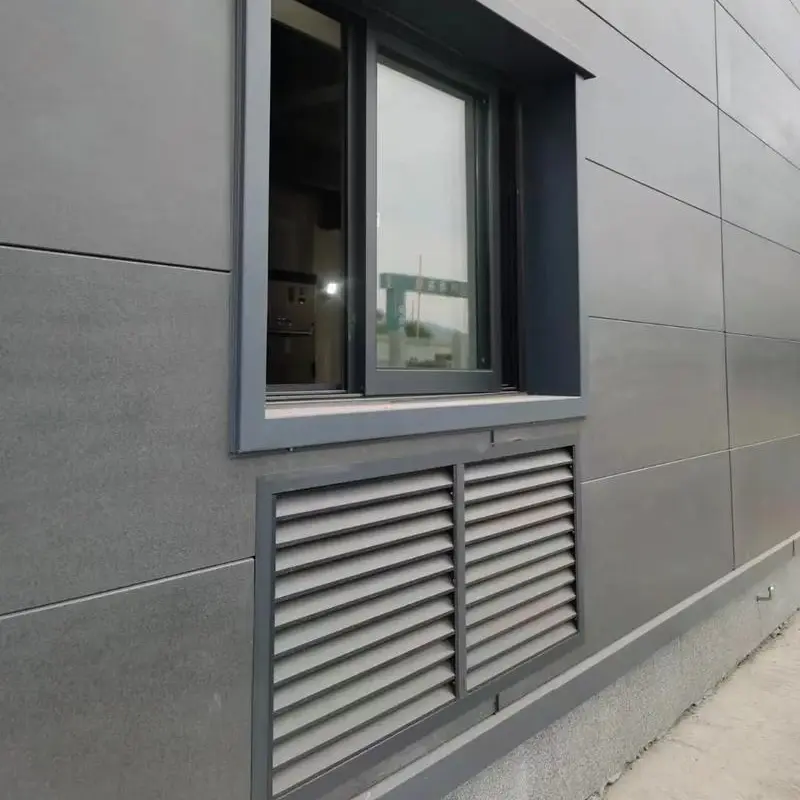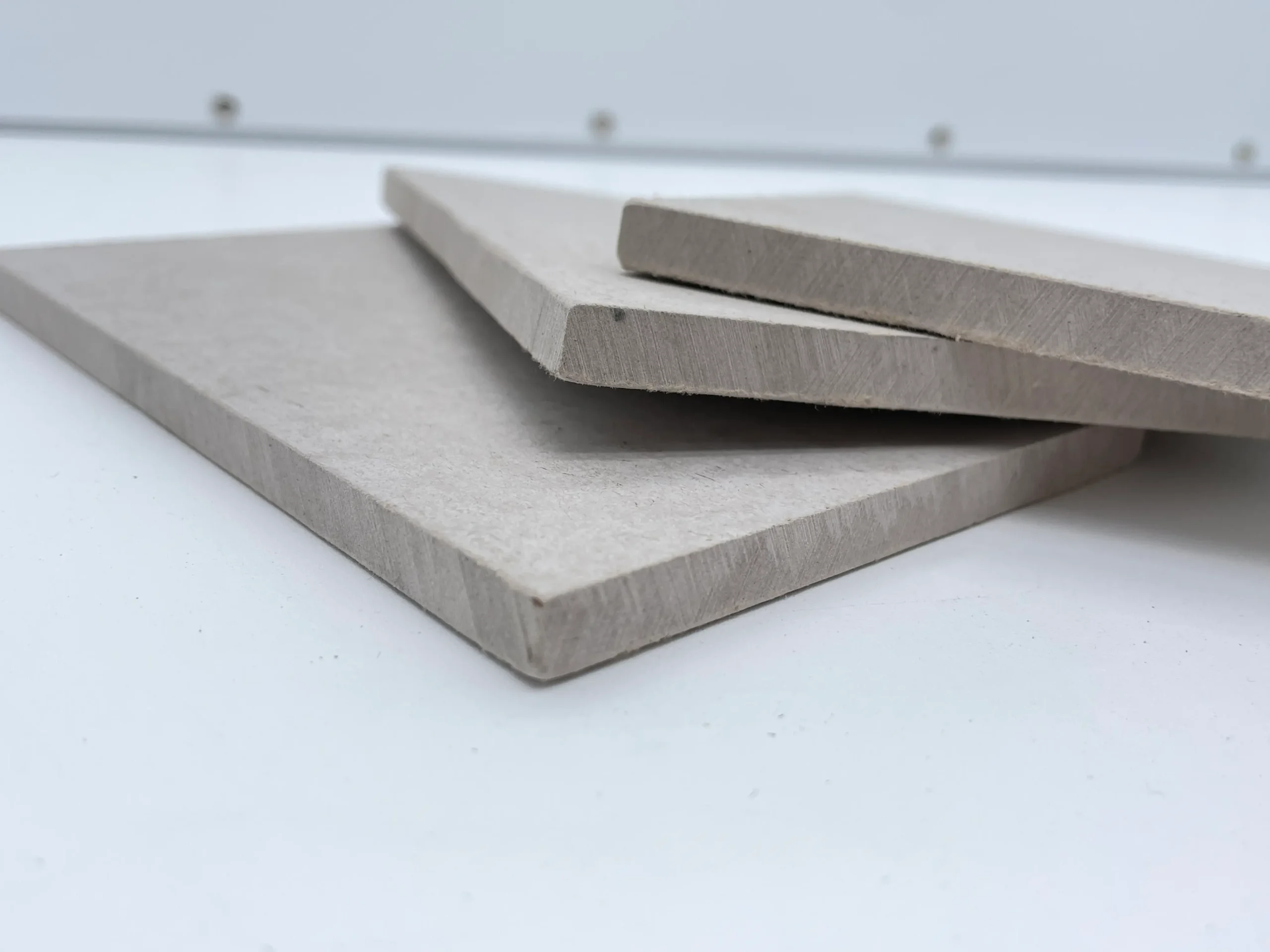

Fiber Cement Exterior Cladding is a new type of panel made with cement as the basic cementitious material, supplemented by natural fibers or reinforced fibers, through processes such as pulping, molding, and curing. It combines the durability of cement with the lightweight and easy processing characteristics of wood. The surface can present realistic wood grain, stone grain, or solid color effects to meet the design requirements of different architectural styles. As a professional fiber cement board manufacturer, our Fiber Cement Exterior Cladding strictly controls raw material quality to ensure that every board performs stably and lasts durably.
1. Interior Partitions: Waterproof and Soundproof, High Cost Performance
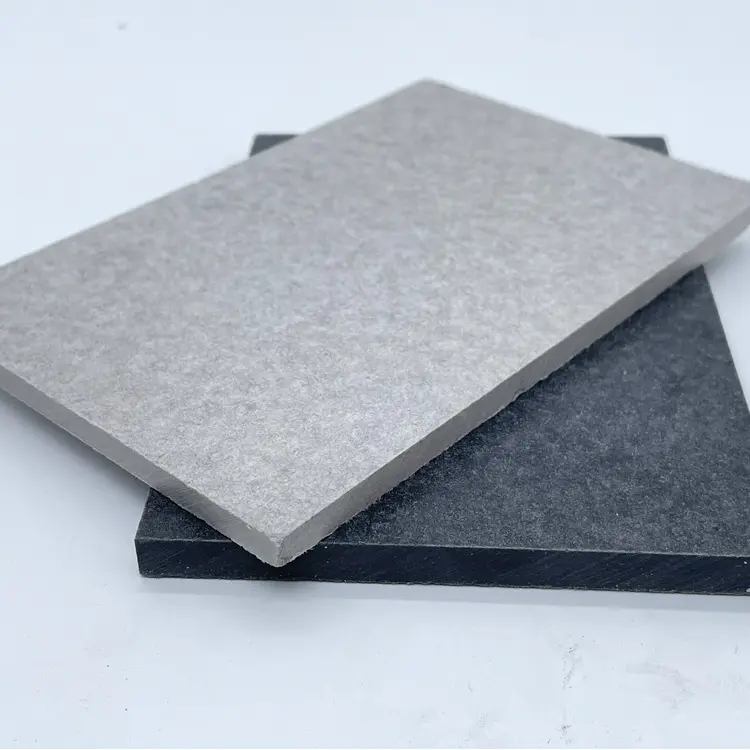
Fiber Cement Exterior Cladding is not only suitable for exterior walls but also performs excellently in interior partition applications. Compared with traditional gypsum boards and ordinary calcium silicate boards, our Fiber Cement Exterior Cladding offers better waterproof and sound insulation effects. When used with lightweight keels, it effectively reduces overall project and decoration costs. At the same time, the board has uniform color and a smooth surface, which can be used directly as a finish layer, saving subsequent plastering or tiling processes.
2. Exterior Decoration: Alternative to Stone, Obvious Cost Advantage
Traditional exterior wall stone decoration is expensive, difficult to install, and has high labor costs. In contrast, Fiber Cement Exterior Cladding has an overwhelming cost performance advantage. It achieves the same high-end and grand decorative effect at a fraction of the cost of stone. More importantly, the superior properties of Fiber Cement Exterior Cladding, including corrosion resistance, high temperature resistance, aging resistance, fire resistance, and deformation resistance, enable it to remain like new for a long time under various climatic conditions, making its application range even wider.

3. Energy Saving and Insulation: Used with Insulation Materials, Responding to Green Building
With society’s increasing emphasis on energy conservation and emission reduction, building exterior wall insulation has become a necessity. Fiber Cement Exterior Cladding also performs excellently in wall insulation systems. Currently, many buildings in northern regions are undergoing exterior wall insulation renovations, and it has become increasingly common to use Fiber Cement Exterior Cladding in combination with insulation materials such as extruded polystyrene boards as exterior wall insulation decorative integrated panels. It effectively protects the insulation layer from wind and rain erosion while enhancing the overall aesthetic appearance of the building.
4. Consumption Trends: Fitting Modern Aesthetics, Popular Among Young People
Nowadays, modern design styles such as industrial style and LOFT duplex are becoming trendy. As a model of European and American style decoration, Fiber Cement Exterior Cladding is favored by many young intellectuals, especially the post-80s home buying group, for its unique texture and simple visual effect. Its unique product performance exactly matches the younger generation’s pursuit of personalization and quality life. In today’s exterior cladding market, Fiber Cement Exterior Cladding has become a highly sought-after popular product.

To ensure the long-term performance of Fiber Cement Exterior Cladding, proper installation construction is crucial:

As a professional fiber cement board manufacturer, we are committed to providing customers with high-quality Fiber Cement Exterior Cladding products. Whether for new villas, factories, old building renovations, or interior and exterior decorations, Fiber Cement Exterior Cladding can add unique value to your buildings with its excellent performance and beautiful effects. Choosing Fiber Cement Exterior Cladding means choosing a durable, environmentally friendly, modern architectural lifestyle.
Our technical staff is available 24/7 for support and fast response, giving full advice on your products and sharing engineering knowledge. Whether you order or not, we’re always here to support your business.