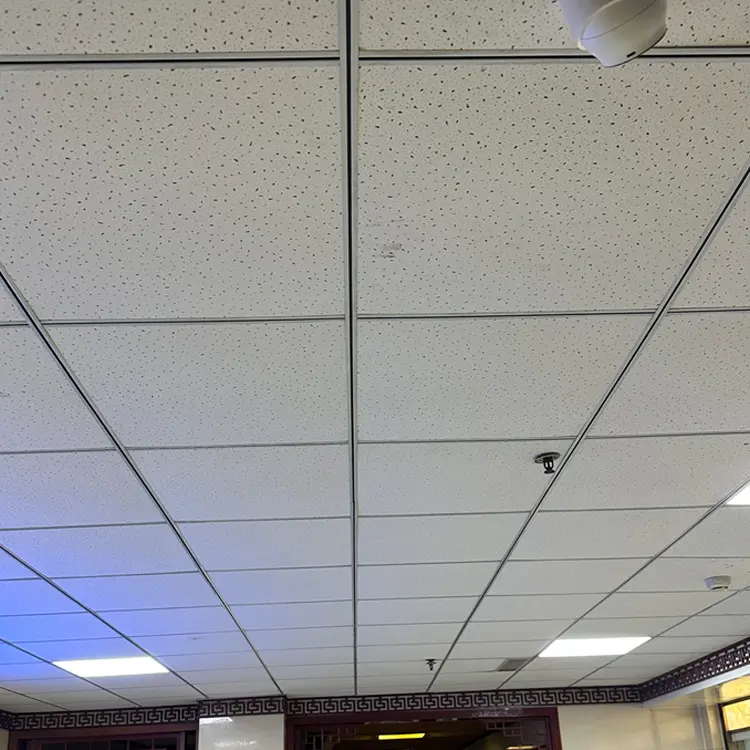

In the building materials market, the price of fiber cement boards is always a key concern for buyers. Unlike standardized products, these boards don’t have fixed prices – a standard 1220*2440mm sheet can range from tens to over a hundred yuan. To understand the specific pricing, you need to first identify the factors that influence it.
1. Thickness: The Primary Price Factor
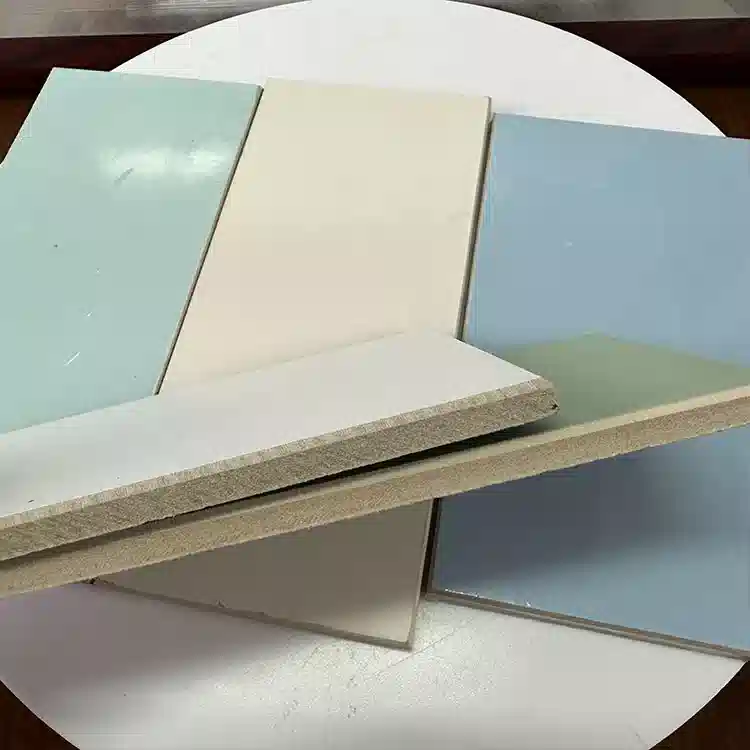
Board thickness is the most fundamental element affecting cost. Standard thickness ranges from 6mm to 30mm, with thinner 6-10mm boards for interior walls being more affordable and suitable for partitions and decorative substrates.
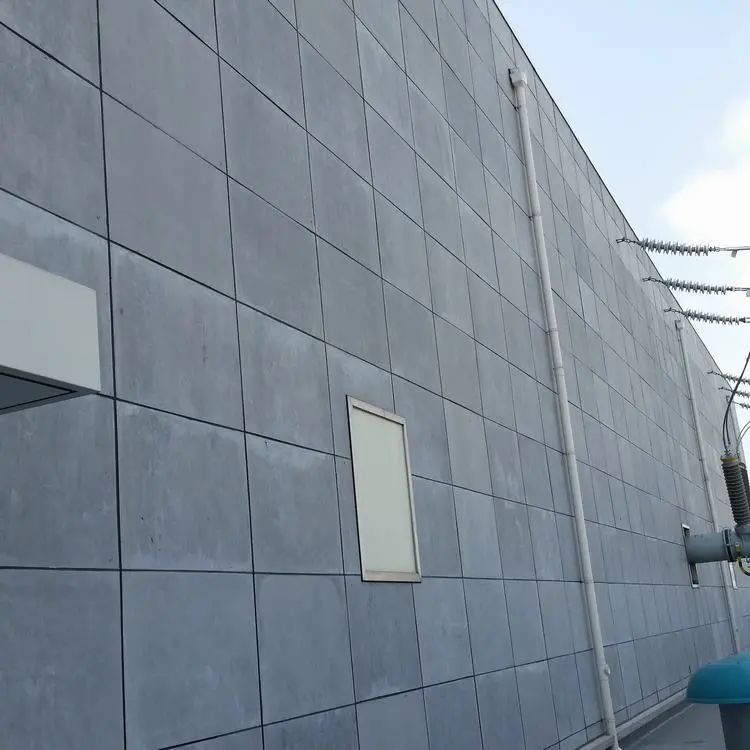
Thicker 15-30mm boards designed for exterior walls or LOFT floors command significantly higher prices due to their increased density and superior bending resistance, essential for weathering outdoor conditions and temperature variations.
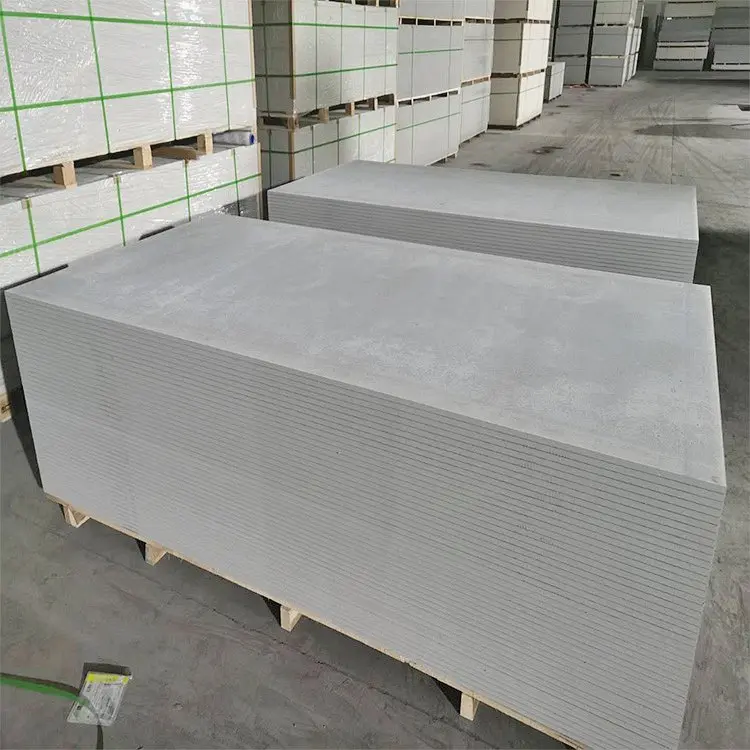
2. Material Composition: Direct Cost Determinant
Early asbestos-containing boards, though cheaper, have been phased out due to health risks. Modern asbestos-free alternatives using cellulose or glass fiber reinforcement offer better environmental safety but come at a higher price point.
When manufactured with 425 national standard cement and high-efficiency additives, the enhanced performance characteristics further contribute to increased production costs.
3. Manufacturing Process: Quality Reflects on Price
The cylinder process produces boards with more uniform fiber distribution and higher strength, making them suitable for demanding applications and justifying their premium over flow-on method products.
Automated production with steam curing ensures consistent quality and stable performance, making these boards more valuable than those cured through natural methods.

4. Special Features: The Value-Added Components
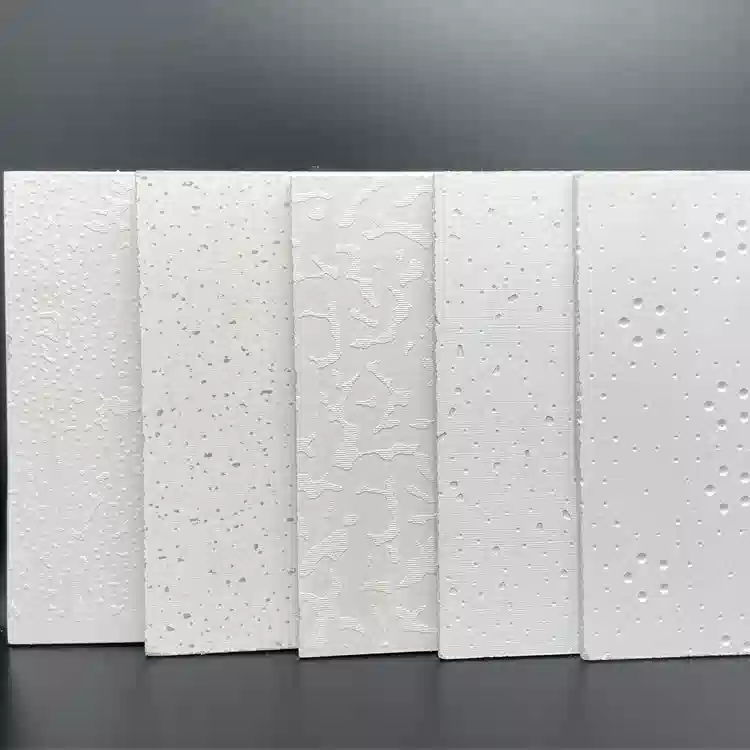
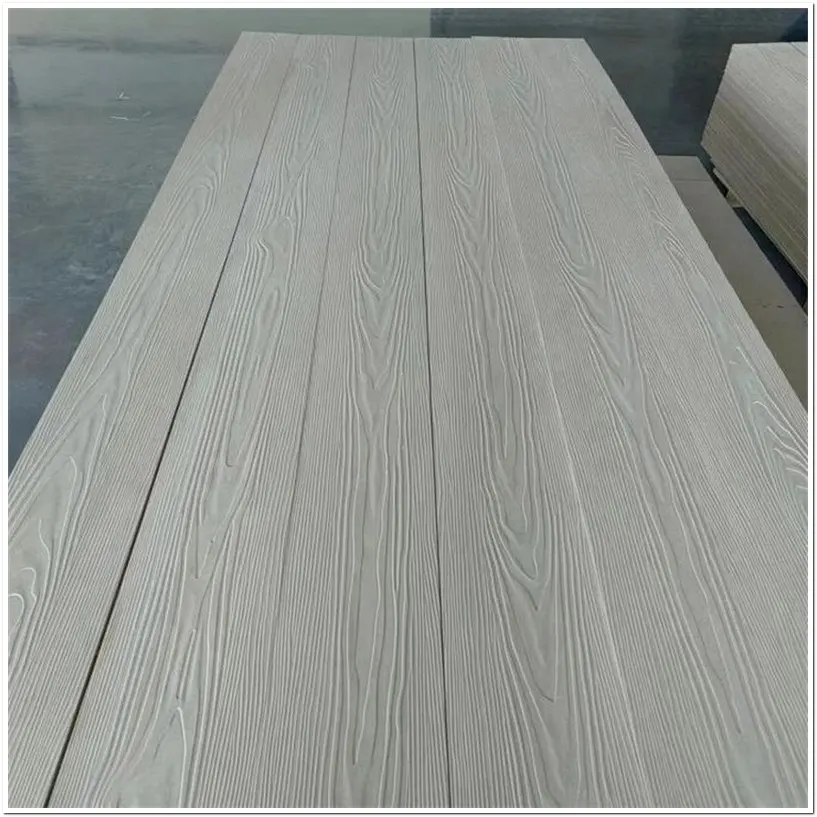
Standard decorative boards with natural or pre-finished surfaces maintain moderate pricing. However, specialized boards with antibacterial or anti-static properties designed for hospitals and data centers incorporate advanced technology, typically costing 30% or more above standard products.
As Class A non-combustible materials, fiber cement boards offer exceptional fire resistance and sound insulation, with durability far exceeding plasterboard, resulting in lower long-term costs. Selecting the appropriate specification and type is crucial for obtaining the best value product.
Our technical staff is available 24/7 for support and fast response, giving full advice on your products and sharing engineering knowledge. Whether you order or not, we’re always here to support your business.