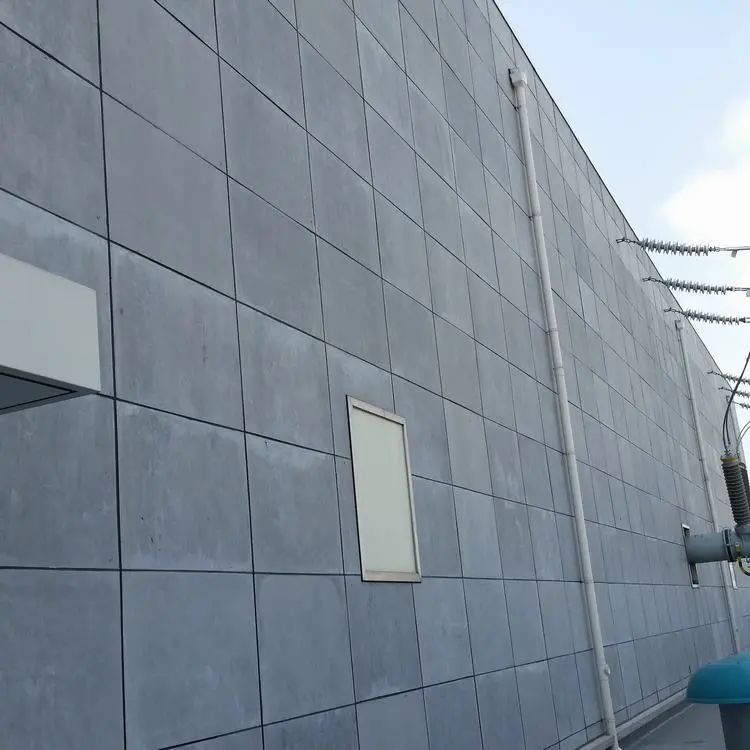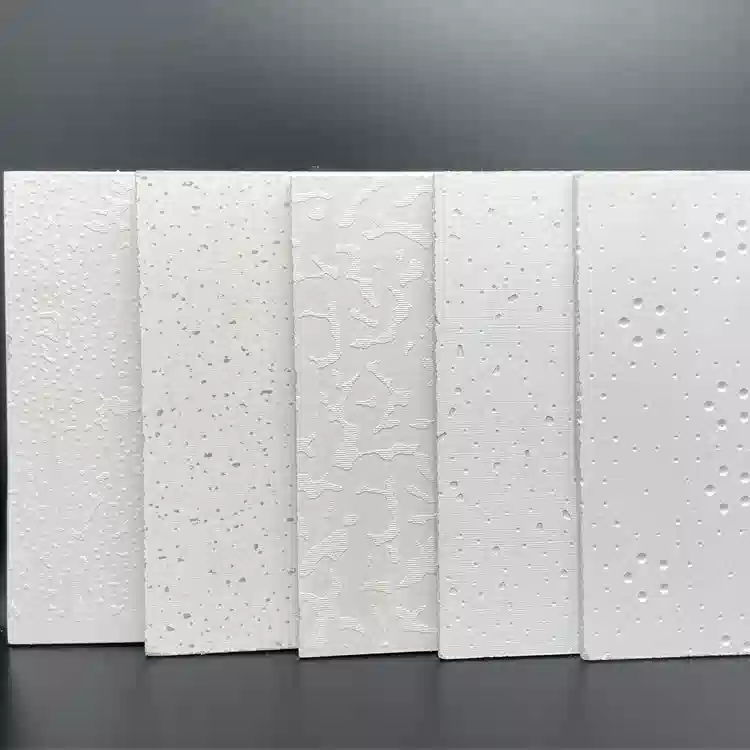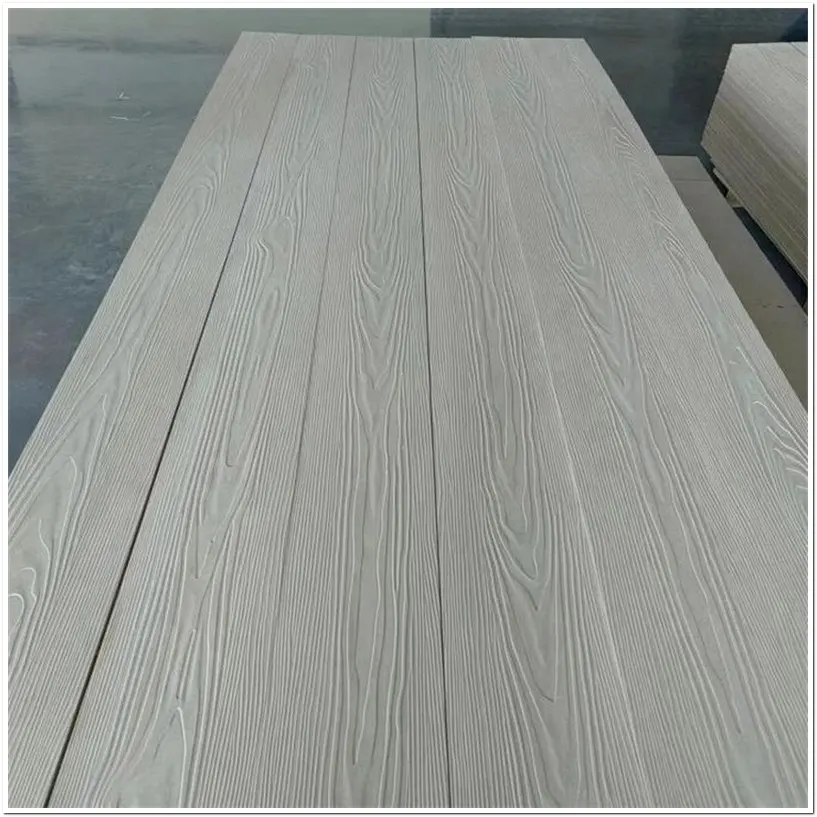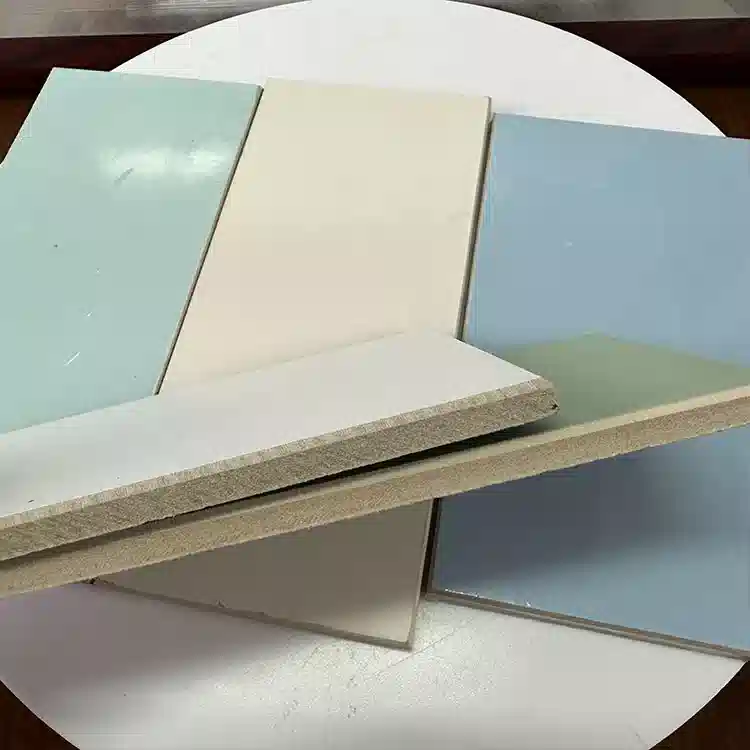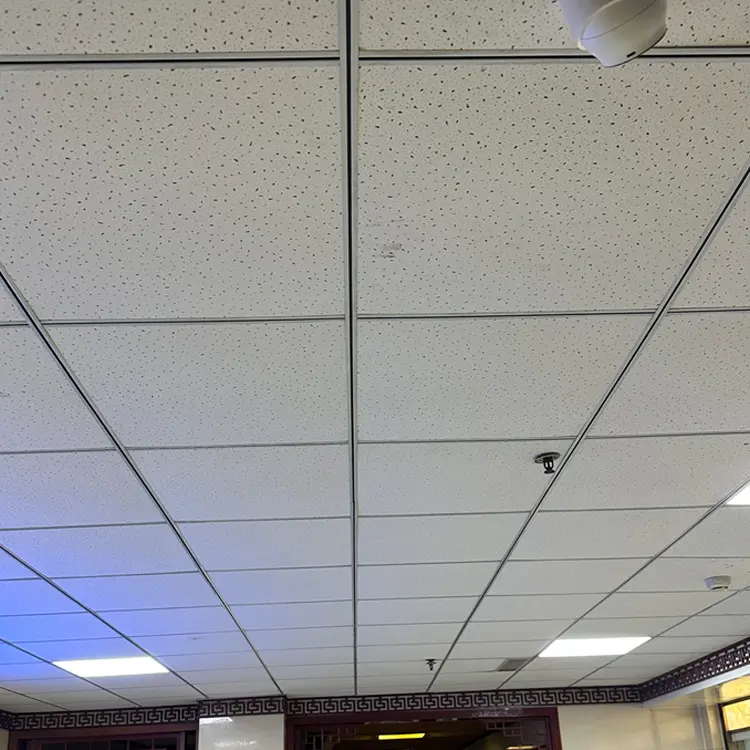

Exterior wall fiber cement solid panels are a high-performance building facade material. Made from fiber and cement, they are sturdy and durable. Suitable for various architectural styles, these panels are easy to install and highly favored by architects.
Many people are unfamiliar with this type of panel. It is often confused with calcium silicate boards or gypsum boards. This article will provide a detailed introduction to the features and applications of exterior wall fiber cement solid panels.

What Are Exterior Wall Fiber Cement Solid Panels?
Exterior wall fiber cement solid panels belong to the category of fiber cement boards. They are asbestos-free, environmentally friendly, and safe. With high density and excellent strength, these panels are ideal for exterior wall applications.
The panels come in various thicknesses, commonly ranging from 6mm to 24mm. For exterior walls, high-density panels are typically chosen for their waterproofing, fire resistance, and long lifespan.
Why Choose Exterior Wall Fiber Cement Solid Panels?
These panels offer numerous advantages. Firstly, they are fireproof and moisture-resistant, classified as A1 non-combustible materials. Secondly, they provide excellent sound insulation, enhancing building comfort.
Additionally, exterior wall fiber cement solid panels are flexible to install. They can be easily cut and drilled. Quick installation saves both time and costs.

Design and Application of Exterior Wall Fiber Cement Solid Panels
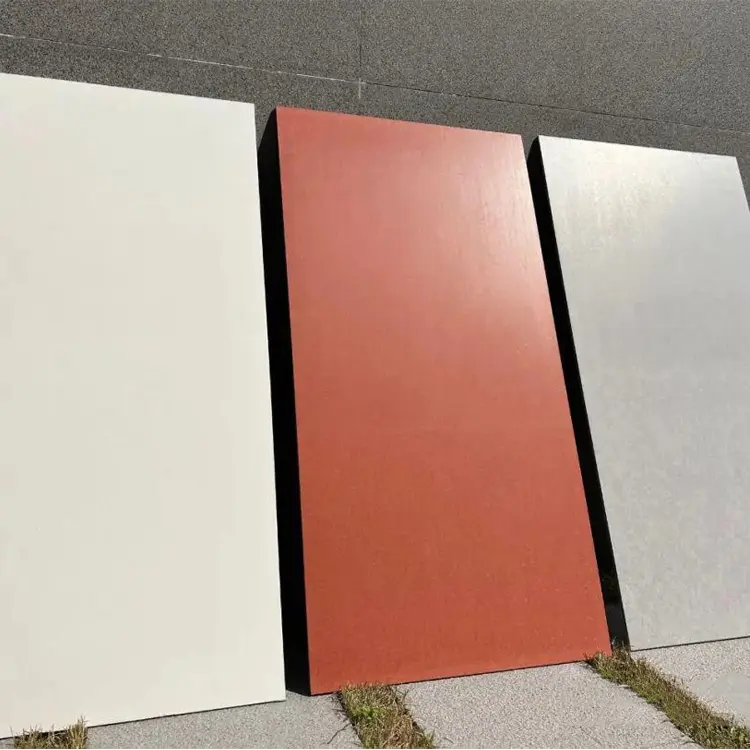
When designing building facades, exterior wall fiber cement solid panels can achieve rich visual effects. The panels feature natural textures with a simple yet elegant finish. Their colors are consistent throughout, remaining fade-resistant and long-lasting.
The layout design allows for creative freedom. However, structural dimensions, fire compartments, and installation techniques must be considered. It is generally recommended to cut within standard sizes to maximize material utilization.
Ventilated Rainscreen System: The Optimal Installation Method
Exterior wall fiber cement solid panels are best installed using a ventilated rainscreen system. This system creates an air cavity behind the panels, effectively preventing moisture buildup and improving thermal insulation for enhanced energy efficiency.
This system has been widely used in Europe for many years and is a mature and reliable facade solution.
Installation and Maintenance Considerations
When cutting the panels, electric saws or specialized tools are recommended. During construction, wearing masks is essential to avoid inhaling dust. After installation, waterproof coatings can be applied for added protection.
Seams should be filled and sealed properly after fixing. Daily maintenance is minimal, requiring only occasional cleaning. The panels are impact-resistant, corrosion-resistant, and not prone to termite infestation.
Our technical staff is available 24/7 for support and fast response, giving full advice on your products and sharing engineering knowledge. Whether you order or not, we’re always here to support your business.